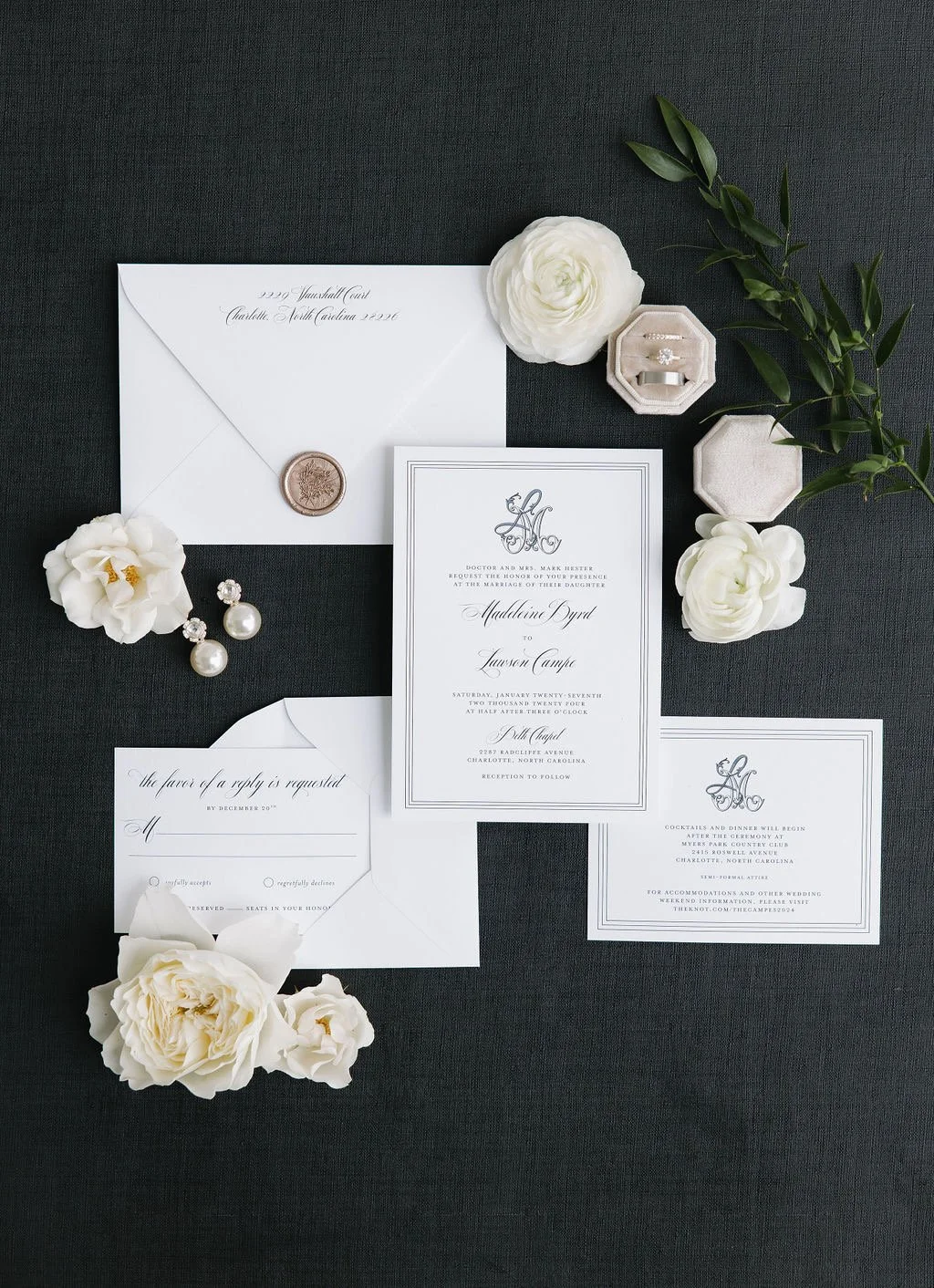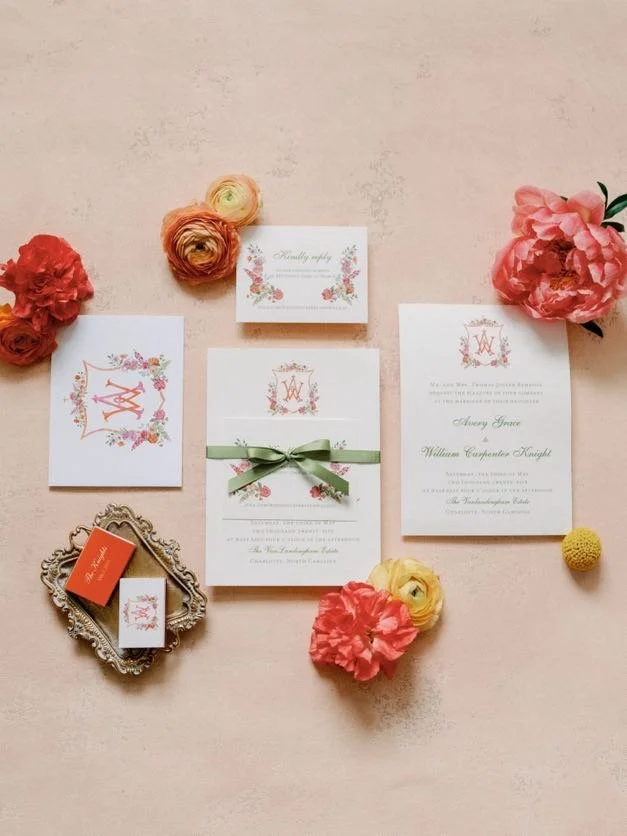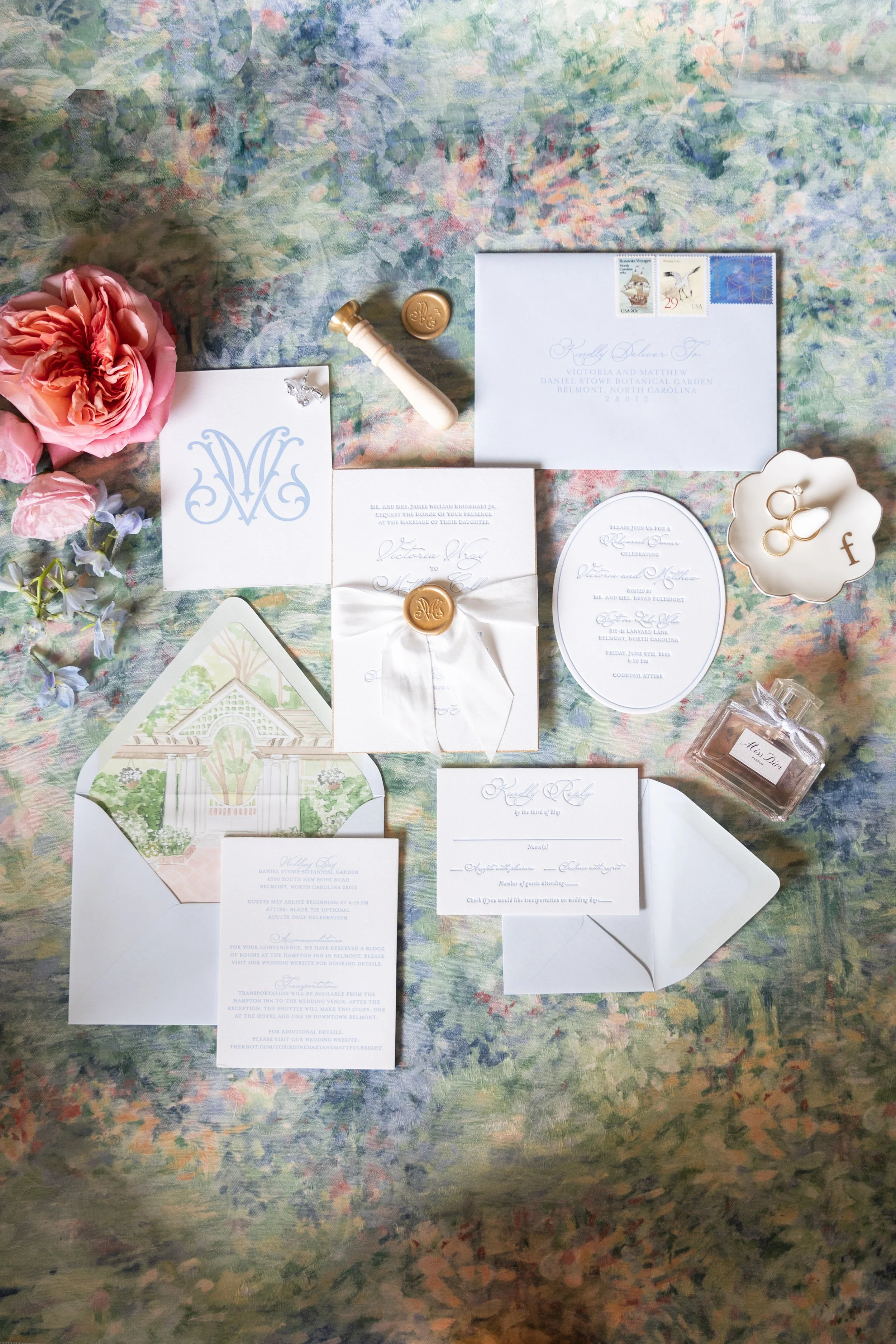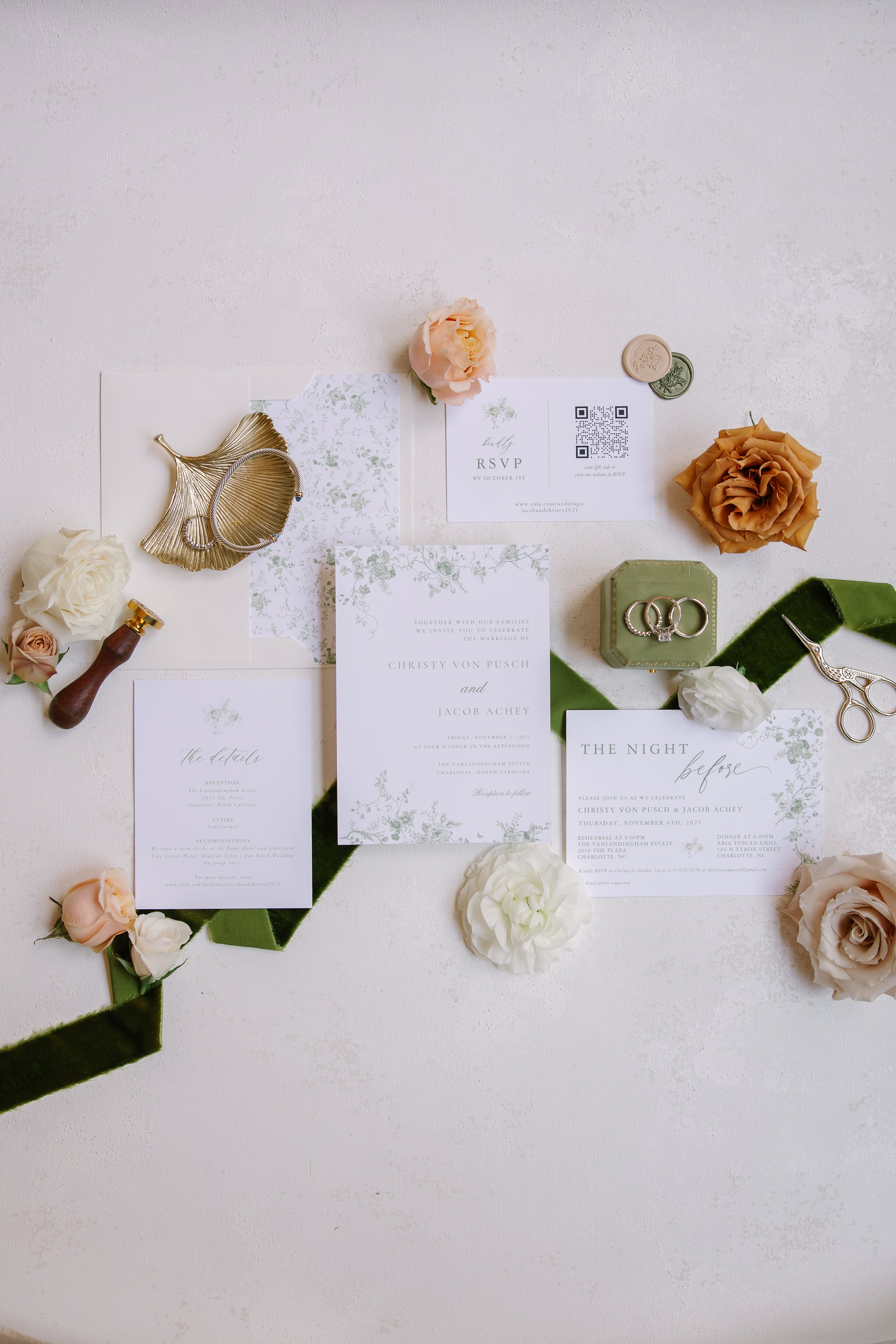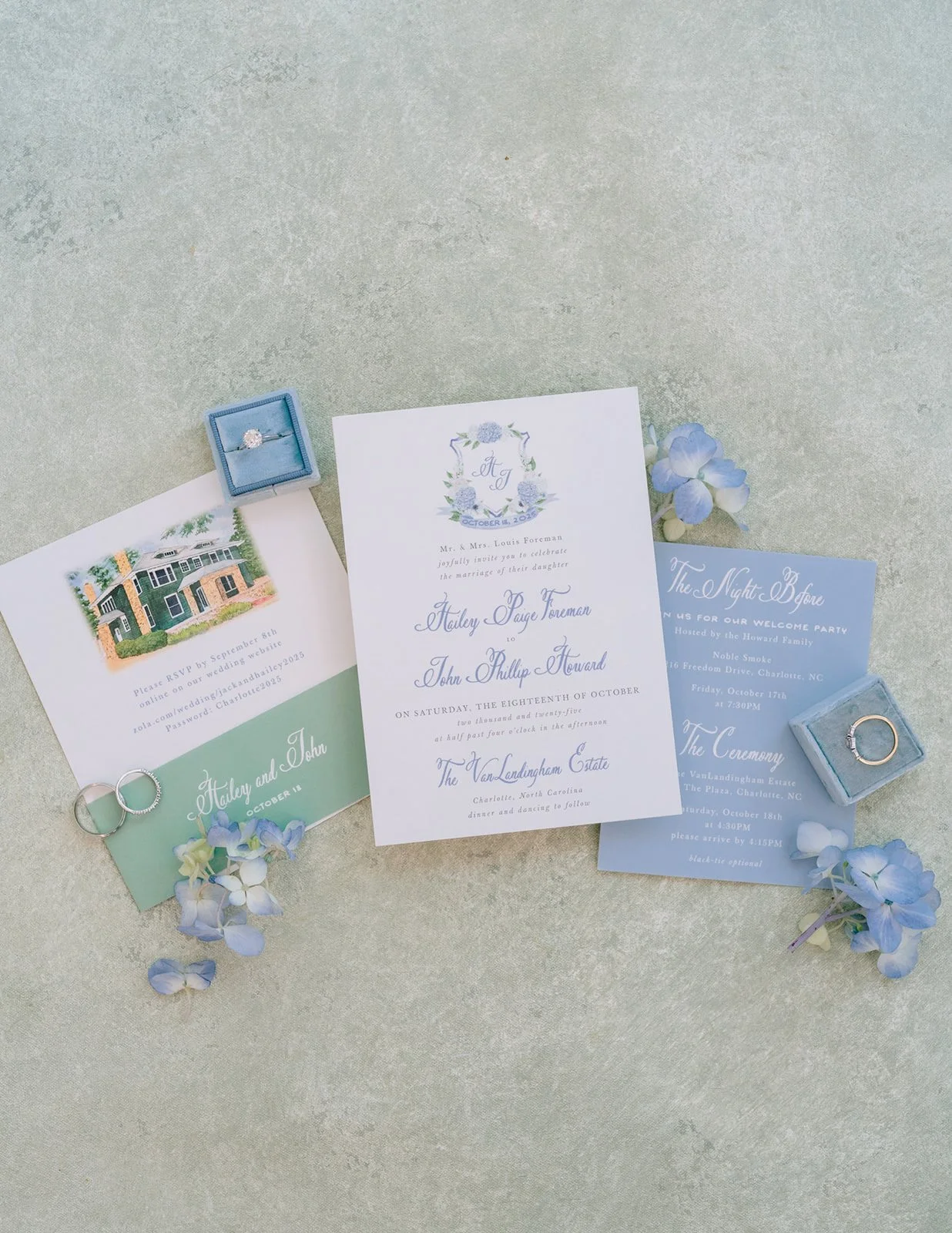
Your wedding invitation does more than share a date and location—it sets the tone for your entire celebration. Before guests see your dress, your décor, or your first dance, they’ll see your invite. That makes invitation etiquette less about rigid rules and more about clarity, consistency, and vibe.
Here’s how to get it right.
Formal vs. Informal Invitations: What’s the Difference?
One of the first decisions you’ll make is whether your invitations should be formal or informal. Neither is “better”, the key is matching your event.
Formal Invitations
Best for black-tie, traditional, religious, or evening weddings.
Common traits:
Written in the third person
Full names (no nicknames)
Formal wording (“request the honor of your presence”)
Spell out dates and times
Classic typography and layouts
Example tone:
Mr. and Mrs. Jonathan Smith request the honor of your presence at the marriage of their daughter…
Informal Invitations
Perfect for relaxed, daytime, outdoor, or non-traditional weddings.
Common traits:
First-person wording
Conversational language
Numerals are fine
Playful or modern design elements
Example tone:
Lauren and Peyton are getting married—and they’d love for you to join them!
Etiquette tip: Formality isn’t about cost or size. A small backyard wedding can be formal, and a large venue wedding can be casual. The invite should reflect the experience you’re hosting.
Your Invitation Should Match Your Wedding Vibe
A golden rule of invitation etiquette: don’t surprise your guests—in the wrong way.
If your invite feels ultra-formal but your wedding is barefoot-on-the-beach casual, guests may overdress or feel confused. On the flip side, a playful, minimal invite for a black-tie ballroom wedding can undersell the occasion.
Think of your invitation as a preview:
Black tie → elegant wording, classic fonts
Garden party → soft language, organic design
Modern city wedding → clean layout, contemporary tone
Destination wedding → clear details, warm and welcoming language
Consistency helps guests know what to expect and how to prepare.
Save the Dates: When (and Why) to Send Them
Save the dates aren’t required, but they’re incredibly helpful—especially if your wedding involves travel, a holiday weekend, or a popular season.
When to send save the dates:
6–8 months before a local wedding
8–12 months before a destination wedding
What to include:
Your names
Wedding date
City and state (or country)
A note that a formal invitation will follow
Etiquette note: Save the dates should only go to guests who will definitely be invited. Sending one is considered a promise.
Invitation Timing: The Ideal Send-Out Schedule
Sending invitations too early can lead to lost RSVPs. Too late, and guests may already have plans.
The etiquette sweet spot:
6–8 weeks before the wedding for local events
8–10 weeks before for destination weddings
If you included a save the date, this timing feels natural and expected.
RSVP deadline tip:
Set the RSVP date 2–3 weeks before the wedding to give yourself time for final counts and seating charts.
A Few Final Etiquette Reminders
Invitation wording should clearly state who is invited (plus-ones, children, etc.)
Match your envelope style to your invitation’s level of formality
Clarity is always more polite than tradition for tradition’s sake
When in doubt, choose wording that feels true to you
Wedding invitation etiquette isn’t about following outdated rules, it’s about communicating thoughtfully. When your invitations match your wedding’s tone and are sent at the right time, guests feel informed, welcomed, and excited 💌